Health
Friday, 10 May 2013 22:05
Maneka Gandhi
Think of a world where the difference between the sexes has narrowed to a point where men are far more effeminate in physical features and women much more masculine. Both have both testes and ovaries.
The chemicals unleashed into the environment since post-World War II may well underlie some of the most disturbing trends affecting men's health, including increasing incidences of testicular cancer, undescended testicles, congenital abnormalities of the urinary tract, prostate cancer, falling sperm counts, prostate enlargement. In short, men are being feminized as a result of such chemicals being sprayed on agricultural crops, food, water and air and consumer goods.
In California, male gulls ignore breeding colonies, while pairs of female gulls nest together, as if one were a male. There appears to be a correlation between the amounts of pollutants in their bodies and the degree of unusual sexual behavior, says Dr. Michael Fry, a wildlife research physiologist at the University of California at Davis.
|
PFA Bareilly - Rescued neelgaye Calf
Friday, 10 May 2013 21:55
pfa
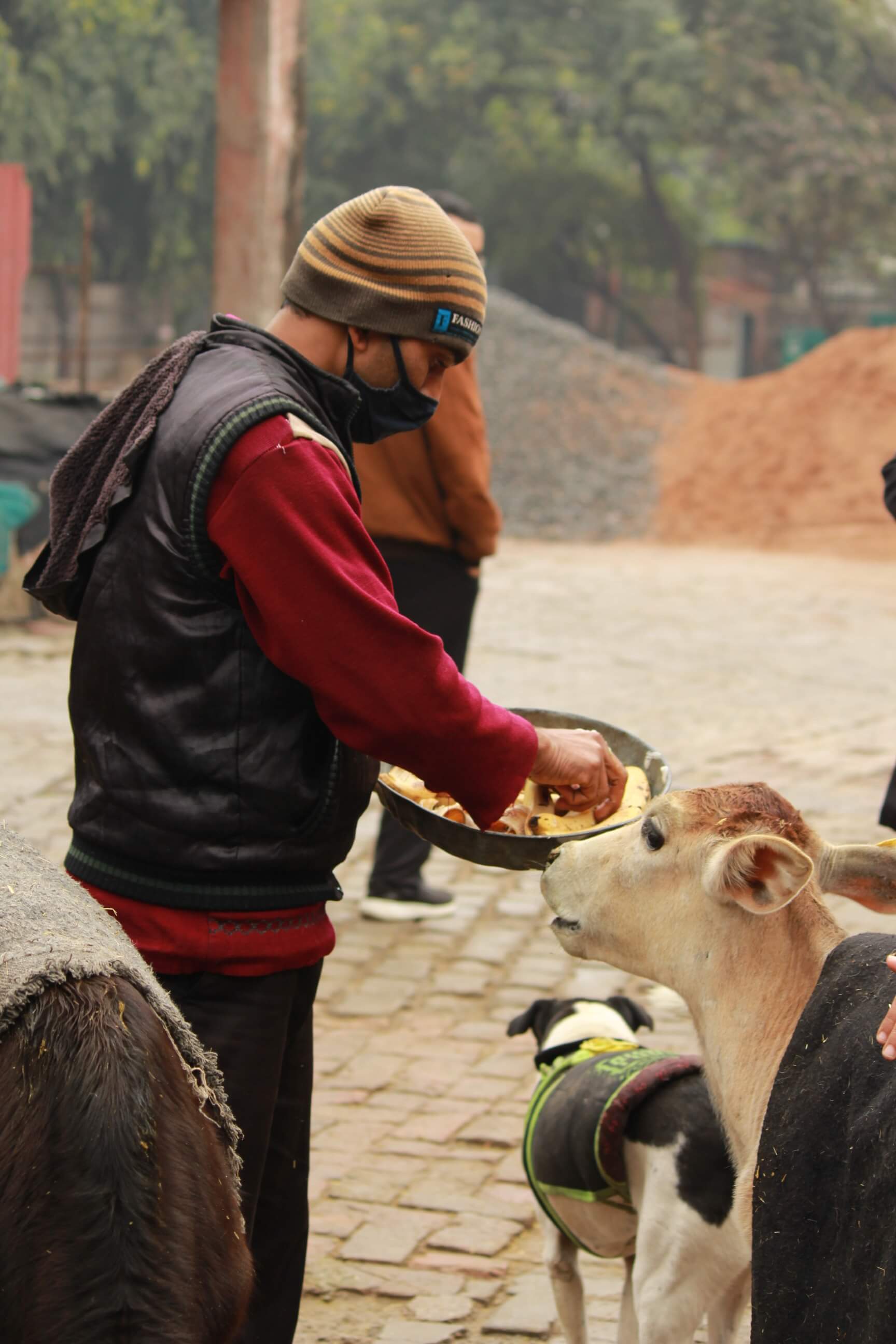
 PFA Bareilly rescued a neelgaye calf that was hit by someone. On receing information PFA Bareilly team reached the spot and treated it. As it was unbale to walk, we brought it to our shelter. Now it is under treatment. [Image Gallery]
What You Need To Know About Insulin...?
Thursday, 09 May 2013 21:51
Maneka Gandhi
In 1857 Mangal Pandey started the process of freedom from the British by discovering that gun cartridges were greased with beef and pork. This sent such a strong wave of anger through both Hindu and Muslim sepoys that the Mutiny was born.
Today, India has 3 crore diabetics - Hindus and Muslims. It is estimated that by 2025, this number will double to 6 crore.
Insulin is a hormone that controls blood sugar and is needed to convert carbohydrates, sugars and starches found in foods like bread and rice into energy. People with type 1 and some with type 2 diabetes mellitus, are unable to produce sufficient insulin in their pancreas to regulate the glucose levels within their blood. These people must inject insulin one or more times daily in order to manage their condition. It cannot be taken by mouth as the acids in the stomach destroy it. So it is injected by needle or spray.
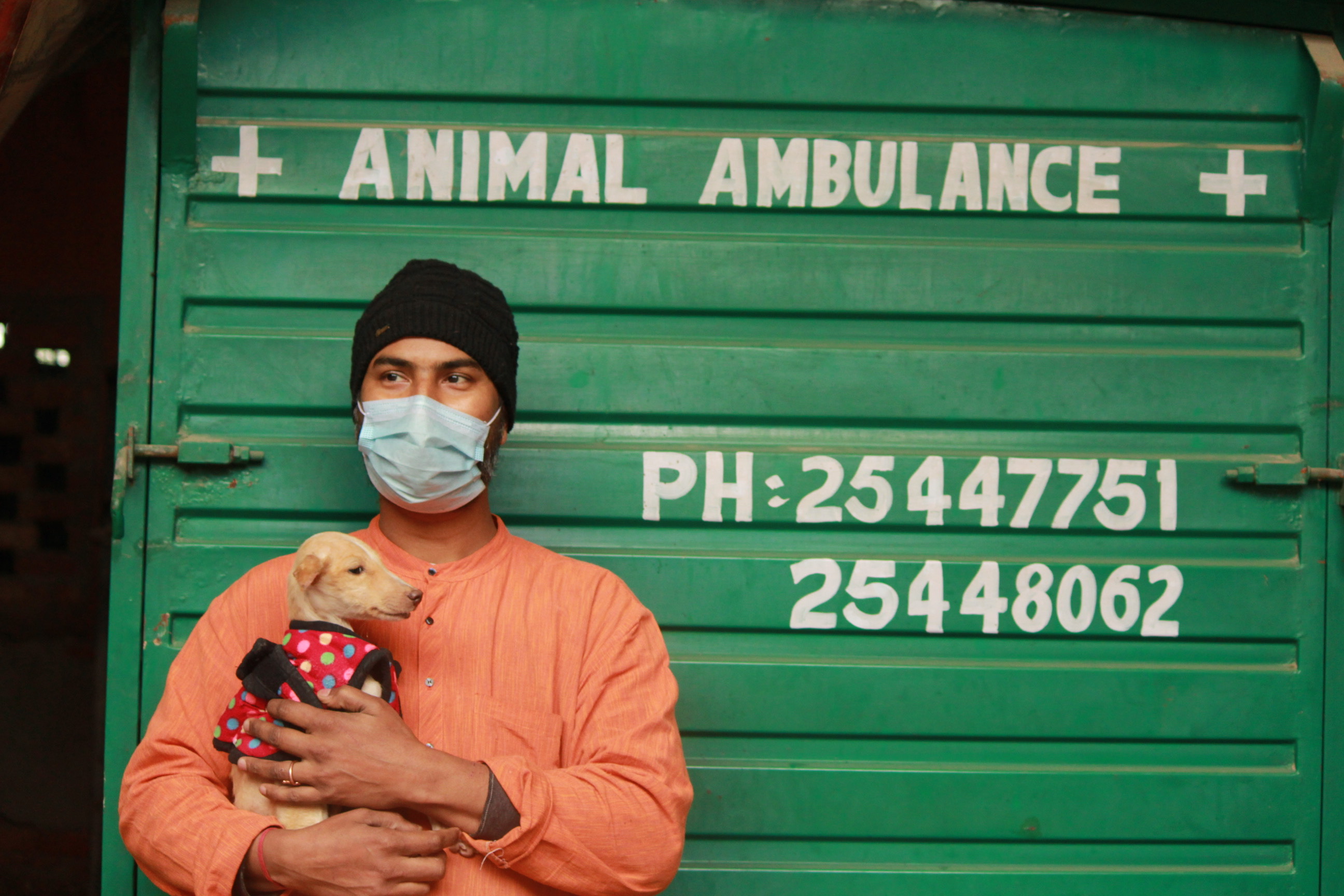
PFA Bareilly - Vaccination Camp
Thursday, 09 May 2013 21:48
pfa
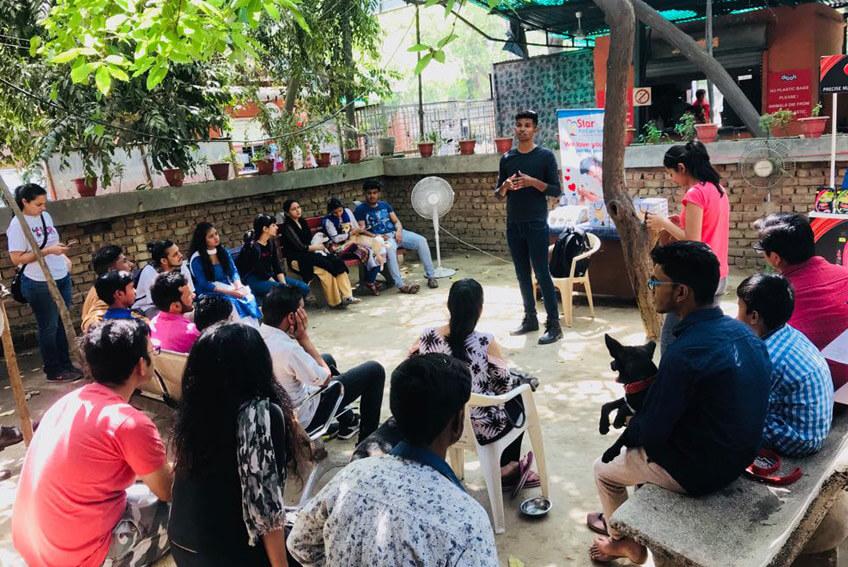
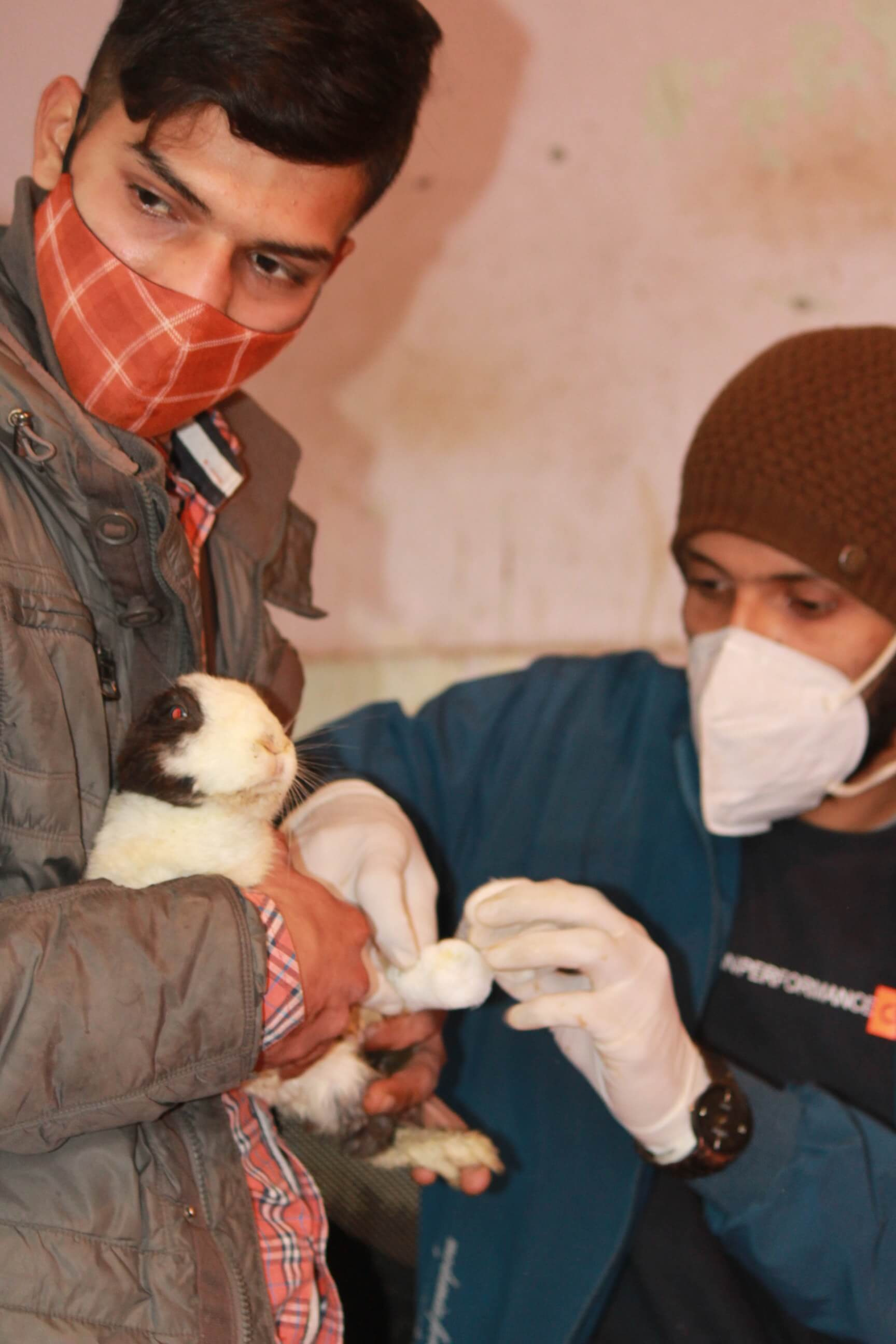
 PFA Bareilly organized a vaccianton camp for dogs. The dogs not only got the vaccination but also treated and gave suggetion about proper care of animals. [Image Gallery]
Bowel Diseases
Wednesday, 08 May 2013 21:45
Maneka Gandhi
Ulcerative colitis is an inflammatory bowel disease in which the inner lining of the large intestine (colon or bowel) and rectum become inflamed. Inflammation usually begins in the rectum and lower intestine and spreads upward to the entire colon.
The inflammation causes diarrhoea. As cells on the surface of the lining of the colon die and slough off, ulcers (open sores) form. Common symptoms are: abdominal pain, nausea, bloody diarrhea, fatigue, fever, weight loss, loss of appetite, rectal bleeding, and anemia. Since the symptoms of ulcerative colitis resemble other medical problems, In India, the disease is often mistaken initially for dysentery or amoebeosis. Ulcerative colitis may also cause problems such as arthritis, inflammation of the eye, liver disease, osteoporosis and skin rashes. It usually affects people between ages 15 to 40.
PFA Delhi - Article on SGACC
Wednesday, 08 May 2013 21:41
pfa
 An article on SGACC has published in Sadhna Path in May 2013. It is a popular national monthly spiritual magazine. The article is written by Kamal Jit Singh. [Image Gallery]
Poultry Workers
Tuesday, 07 May 2013 21:37
Maneka Gandhi
Which is one of the most dangerous professions in the world? Working in the poultry farm. With an annual injury and illness incidence rate of 23.2 per 100 full-time workers in the West and nearly double that in Asia, poultry processing is ranked as twice as dangerous as coal mining and construction.
The International Labour Organization has brought out a fact sheet on the hazards of being a poultry worker.
This is what a normal worker does: Removes chicks from shipping cartons and places them in brooder houses; Cleans and disinfects poultry houses, cages, and nests; Spreads bedding materials; Cleans droppings from floor; Fills feeders and water containers; Vaccinates via drinking water, injection, or dusting of air; Inspects poultry for diseases and removes weak, ill and dead poultry from flock; Inseminates; desexes; Collects, inspects, and packs eggs; catches, selects, weighs, and crates chickens ; Monitors feed, water, illumination, and ventilation systems. Cleans, adjusts, and replaces systems parts using hand tools; Cut off tips of beaks; handles and restrains animals; stores feed; loads vehicles.
PFA Bareilly - Treatment of a Dog
Tuesday, 07 May 2013 21:32
pfa
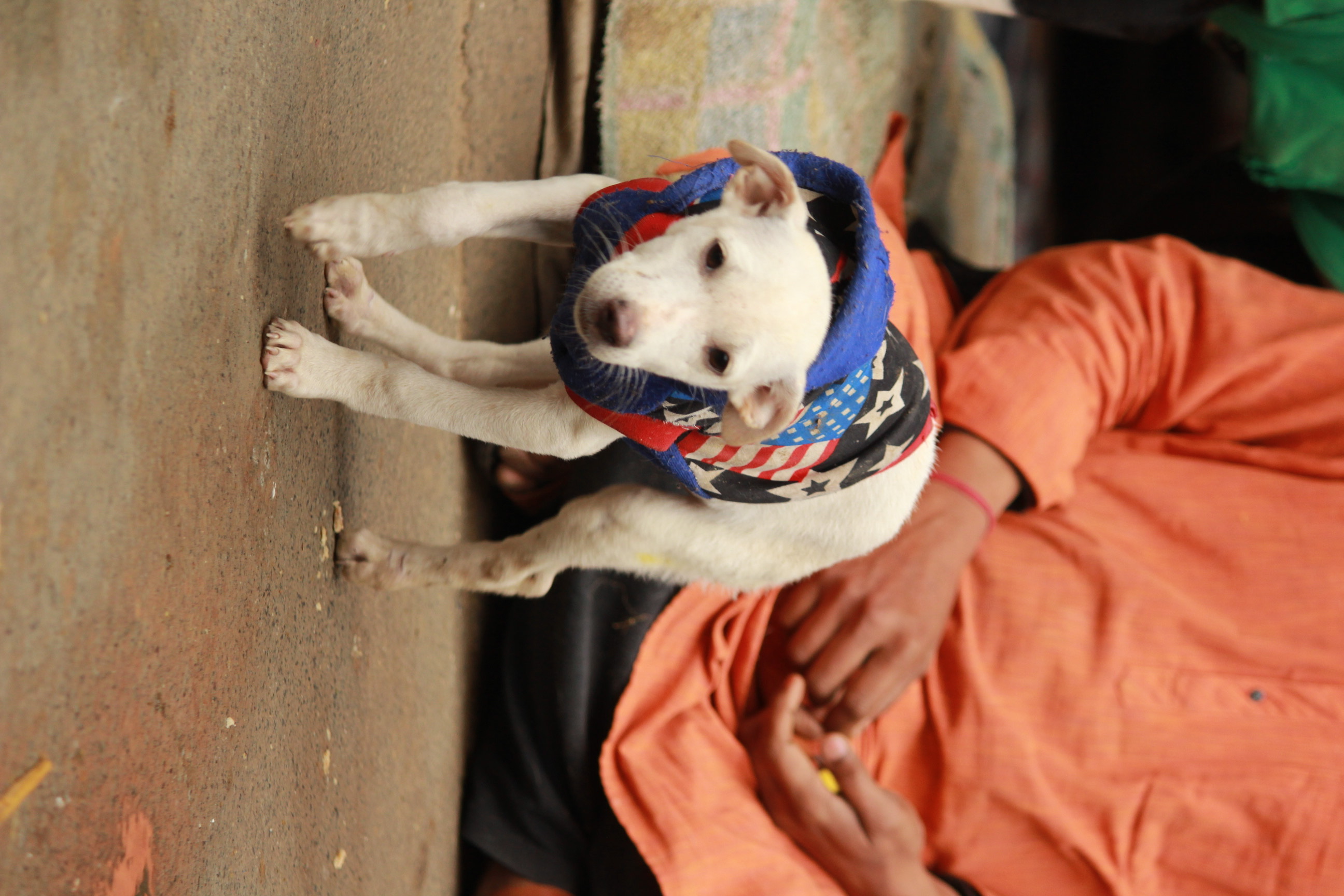
 PFA Bareilly treated a dog which has porblem in its hind legs and unable to sit properly. [Image Gallery]
Obesity
Monday, 06 May 2013 21:29
Maneka Gandhi
Some weeks ago I met a London returned young Punjabi boy of 22. Plump, unhealthy, all he did was complain about his weight and his lack of confidence. He said he had done everything to lose the fat around his middle. He and his father were on a high protein diet and all he ate was “lean” meat. He felt hungry a lot and drank a lot of black coffee in order to slim down. He had taken up smoking to drive the hunger pangs away. While the boy was not very overweight, he certainly was not healthy.
I advised him was to get rid of his father, meat, coffee and cigarettes in that order as they were all dangerous to his health! Any adult who tells you to go on a high protein meat diet should really be taken to court.
Protein is essential to your health. It consists of chains of amino acids. There are 22 amino acids that combine to form different proteins, and 8 of these must come from the foods we eat. Our body uses these amino acids to create muscles, blood, skin, hair, nails and internal organs. Proteins help replace and form new tissue, transport oxygen and nutrients in our blood and cells, regulate the balance of water and acids. You need protein to make antibodies to fight off infections.
|
|