

Every drive, camp and open day is free to attend

What animal welfare is.

Sources

What the science says about the animals we eat. Eight short chapters: memory, self-control, play and feeling, with a quiz at the end and the sources beneath it.

Not a flock.
Individuals.

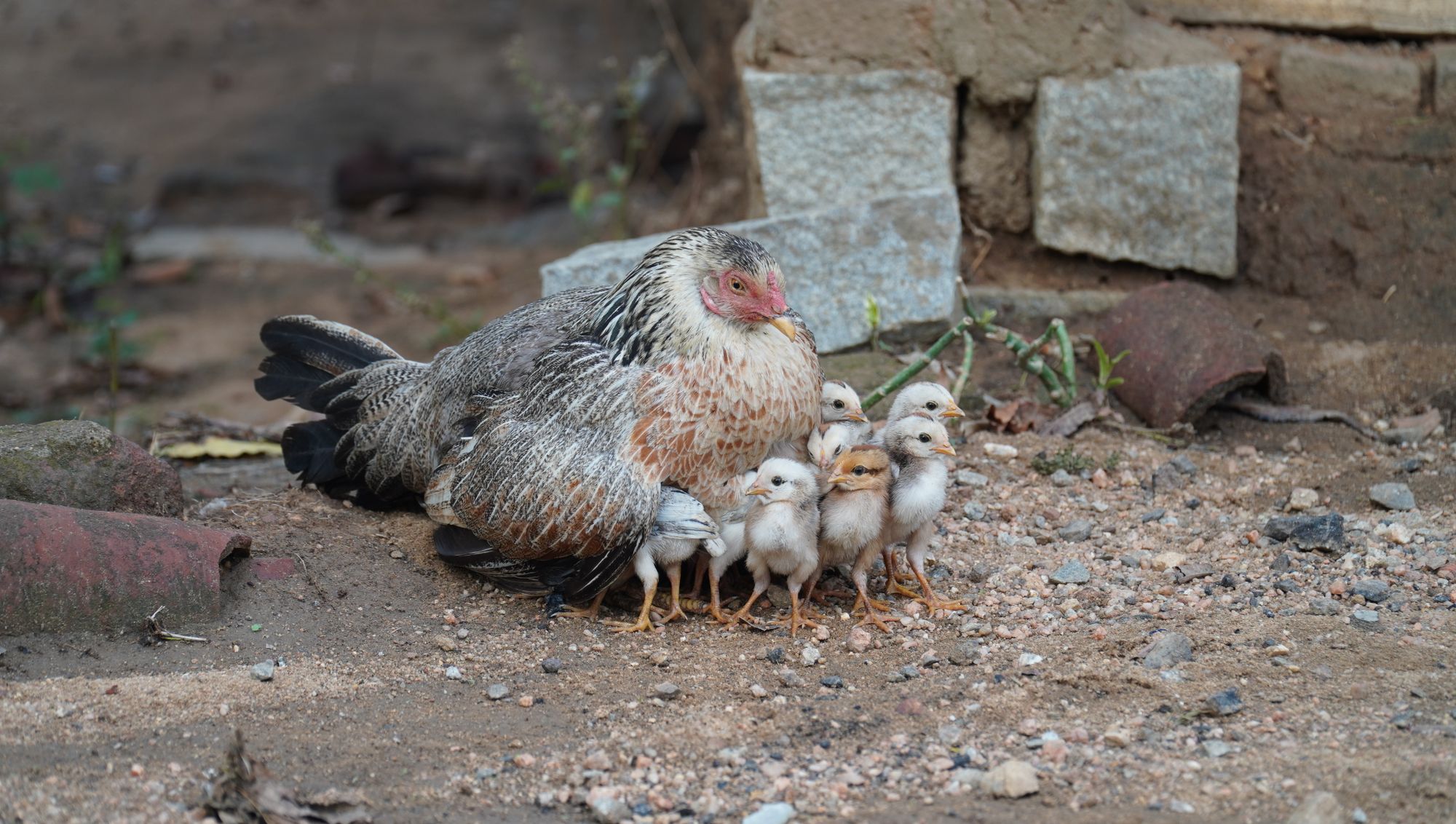
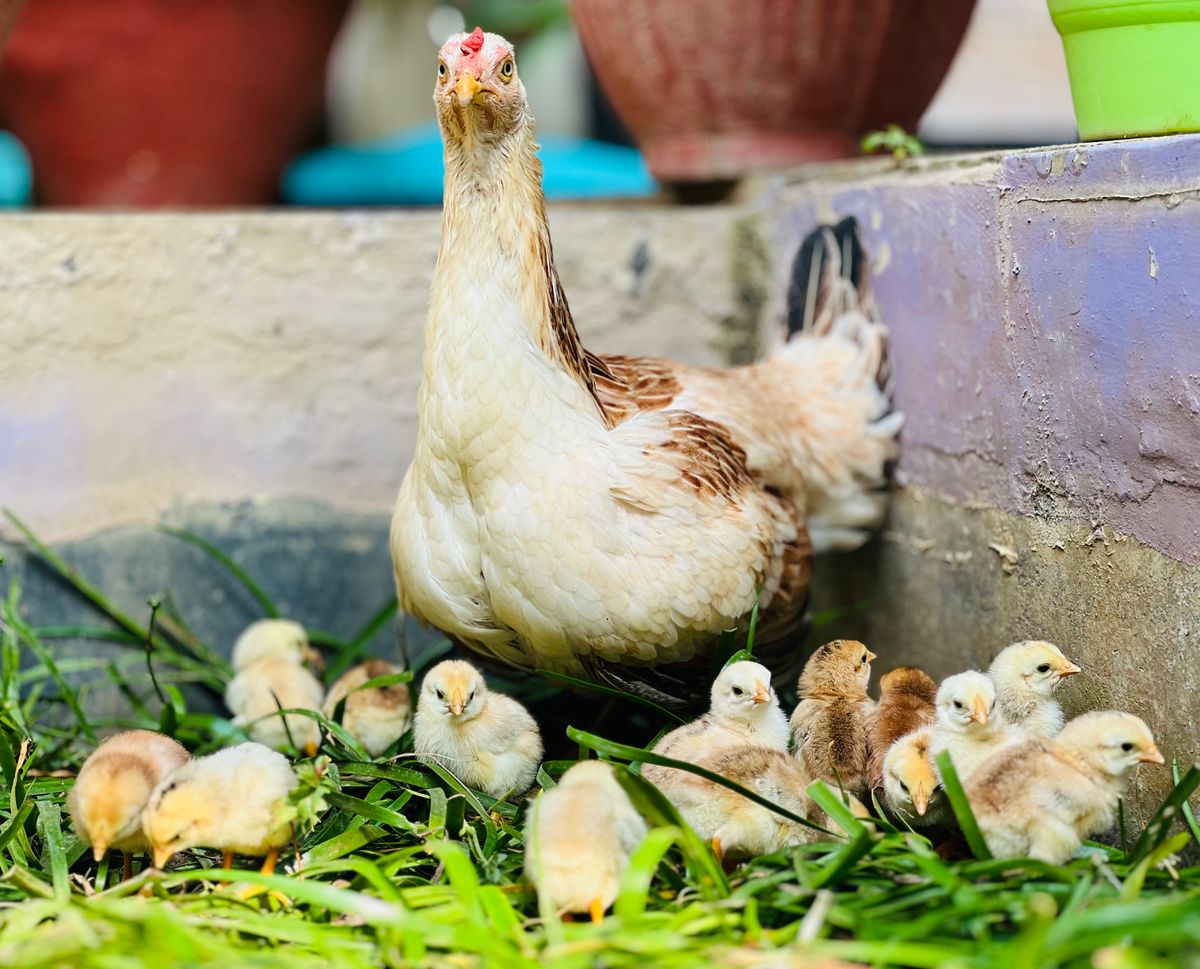
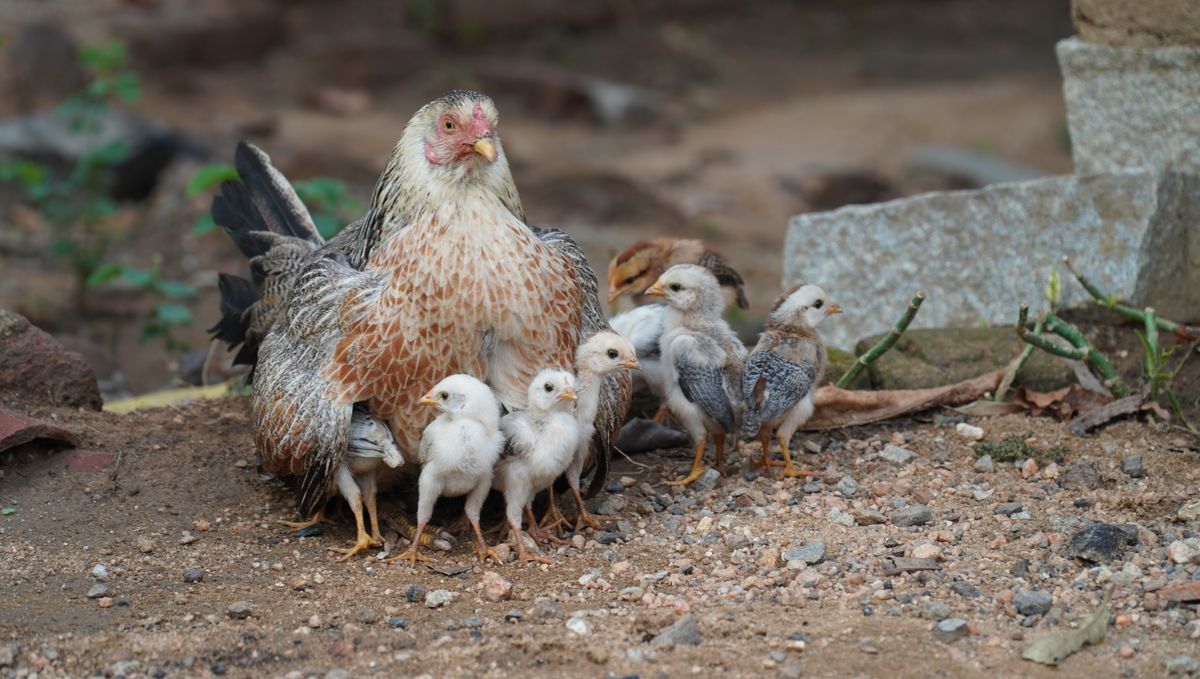
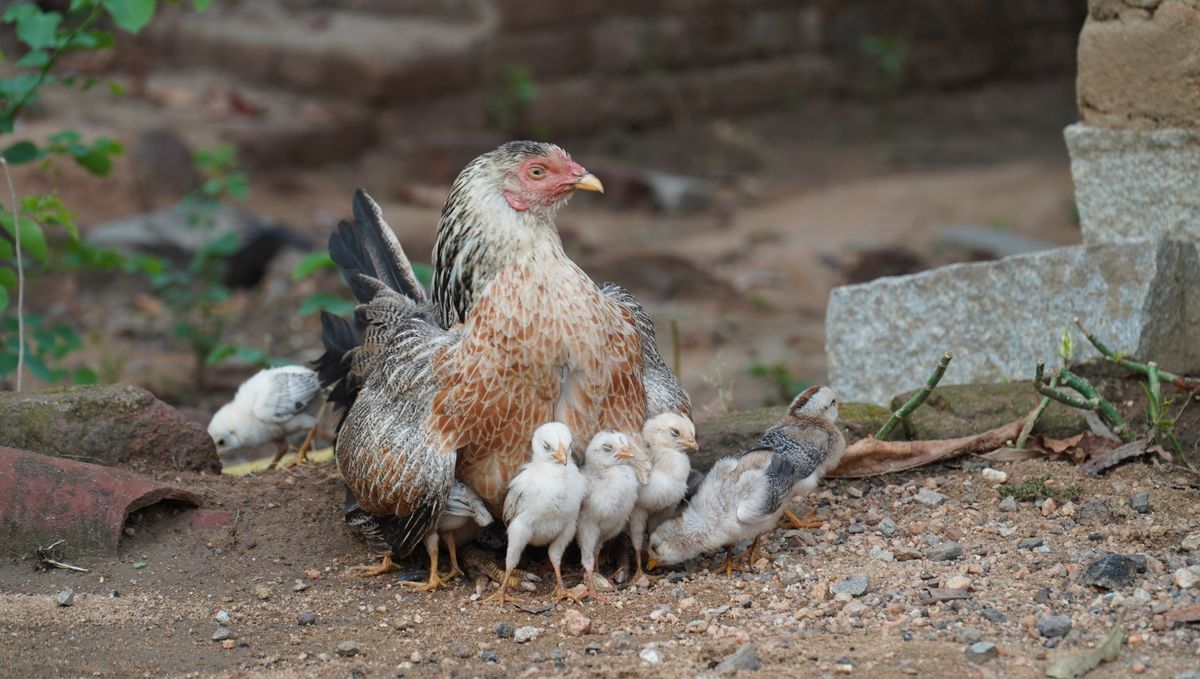
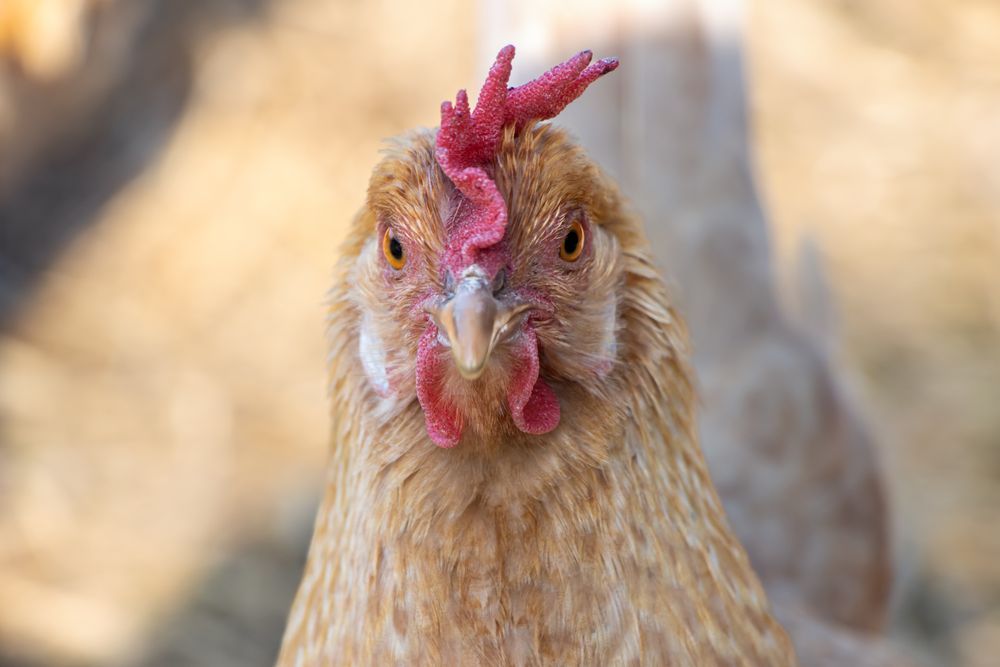
A hen keeps track of the faces of many individual flockmates, holds a stable place in a pecking order, and uses more than twenty distinct calls. In one study, hens chose to wait for a larger food reward rather than take a smaller one immediately, a form of self-control. She is someone, not something.

See the evidence
Face memoryRecognition

Hens recognise and remember individual flockmates, and hold a stable place in a pecking order that depends on knowing exactly who is who.

A patient birdSelf-control

Given the choice, hens have opted to wait several seconds longer for a larger portion of food instead of taking a smaller one straight away.

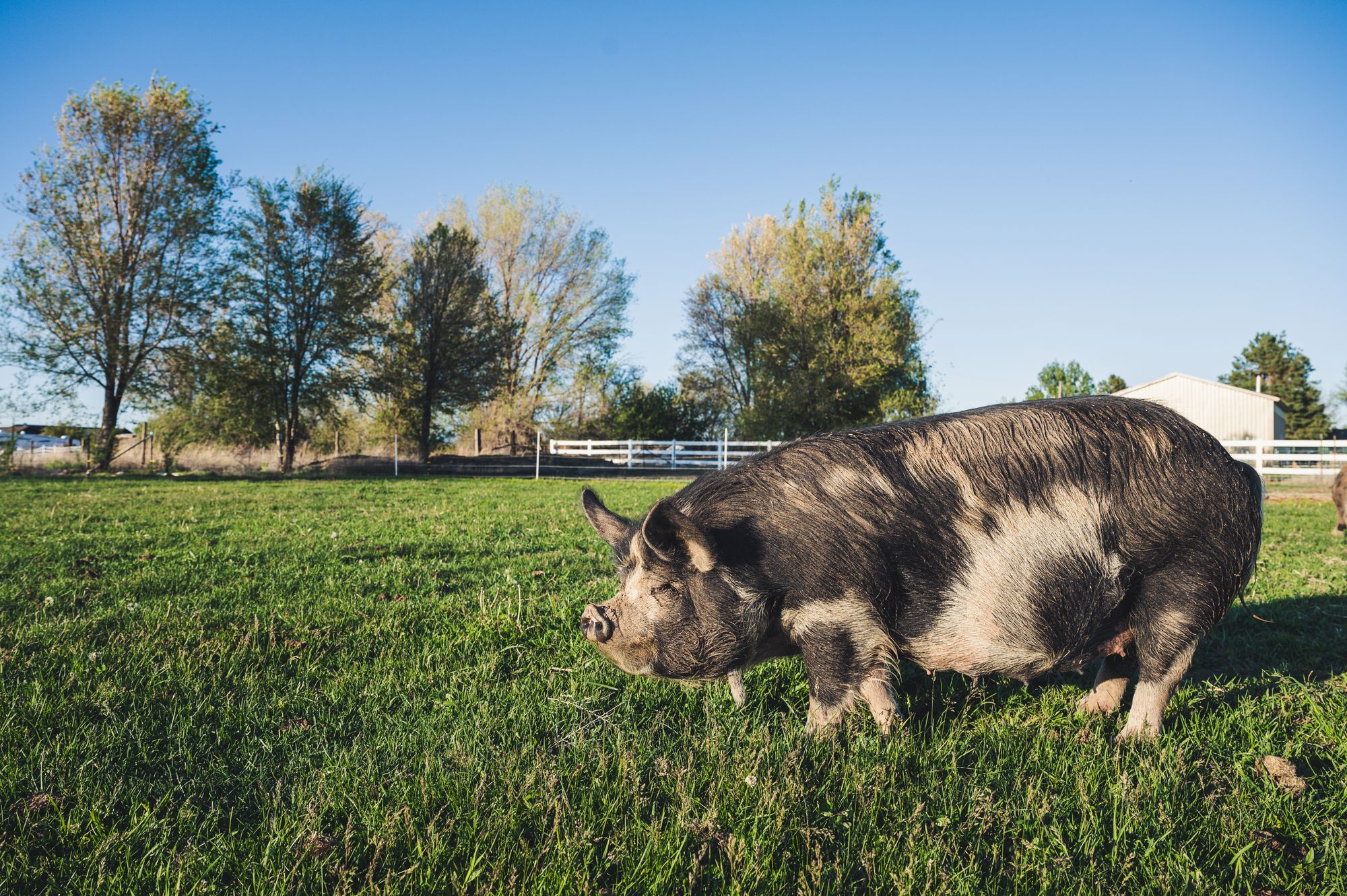
Mirror testProblem-solving

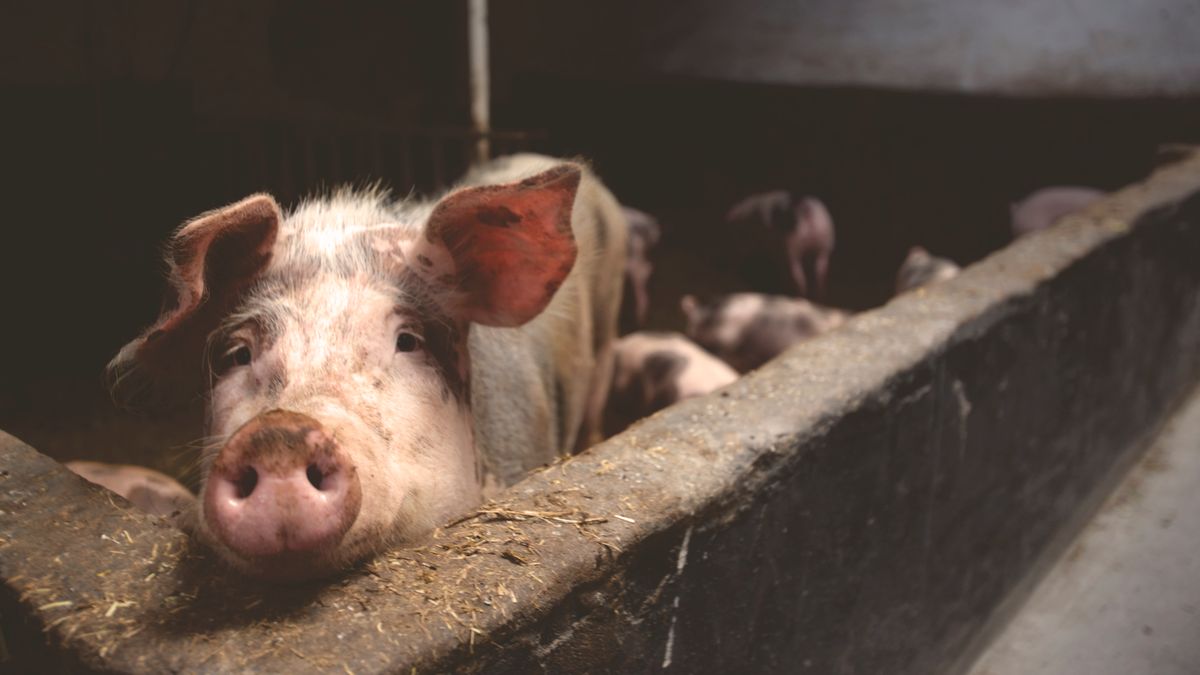
Pigs shown food only as a reflection worked out where it really was: seven of eight walked straight to the hidden bowl rather than behind the mirror.

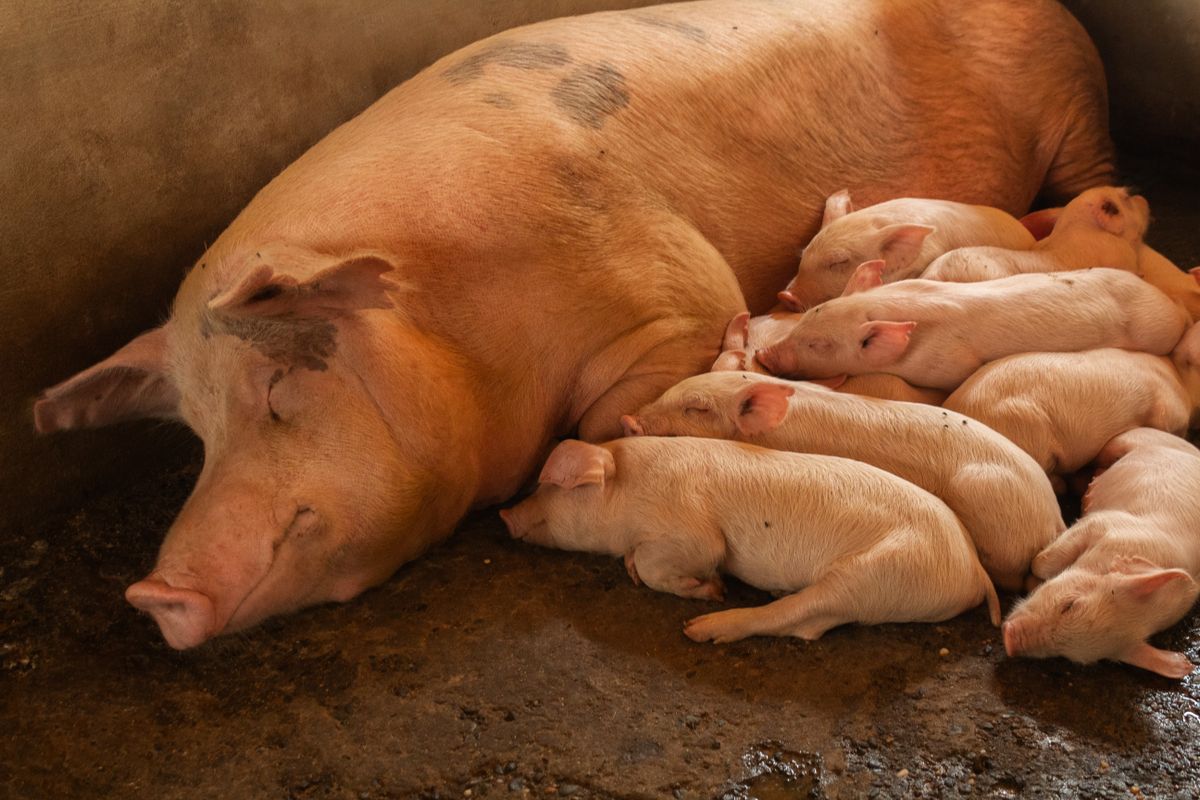
Nest buildersMotherhood

Given straw and room, a sow spends the day before giving birth building a nest, a behaviour that has survived thousands of years of domestication.

The pig
who played
video games

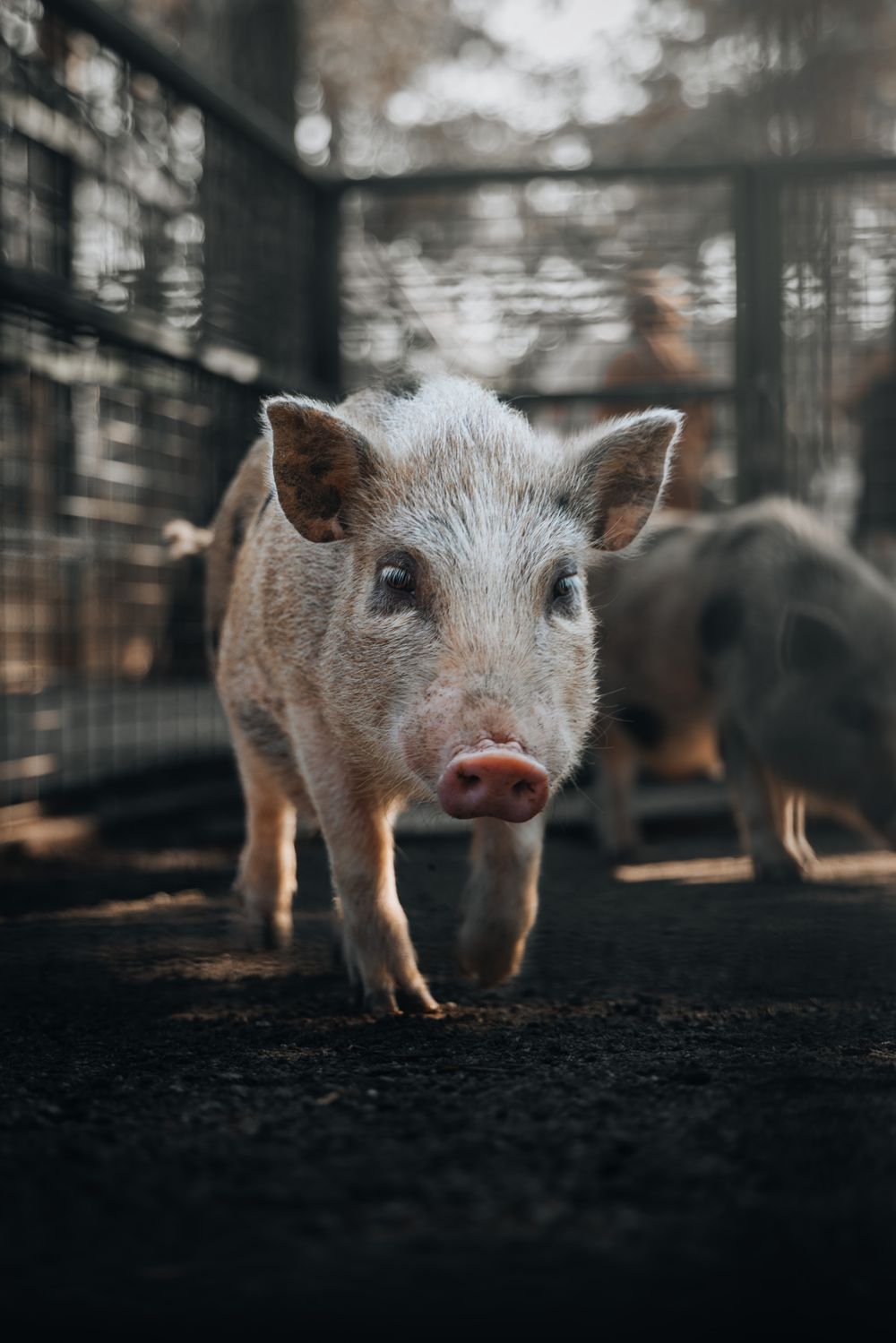
In a 2021 study, four pigs learned to move a cursor with a joystick and hit on-screen targets, well above chance, using only their snouts. Pigs also use mirrors to find hidden food, and their grunts carry information about how they feel: software trained on thousands of recorded calls could tell positive from negative states with over 90% accuracy.

Test yourself

What they know, learn and remember

Sources
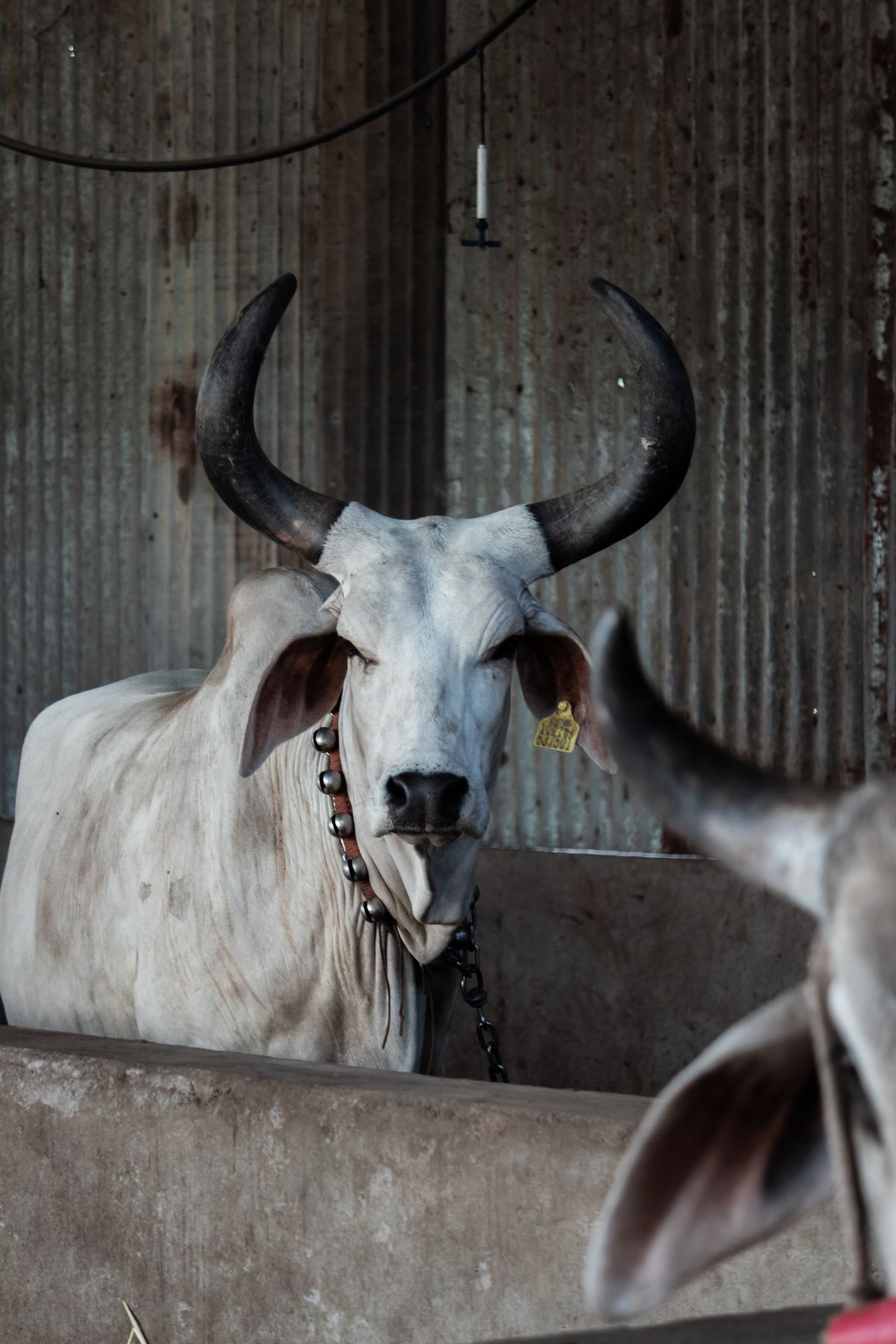
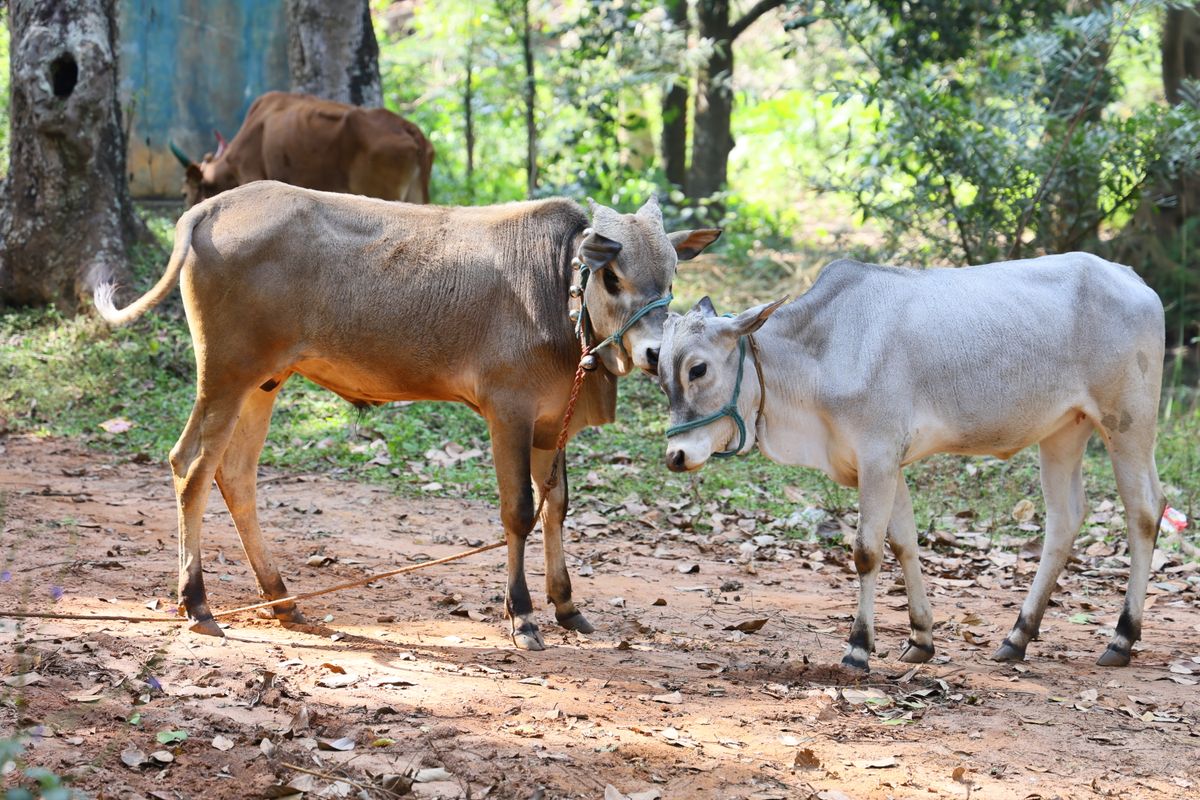
CowsLearning

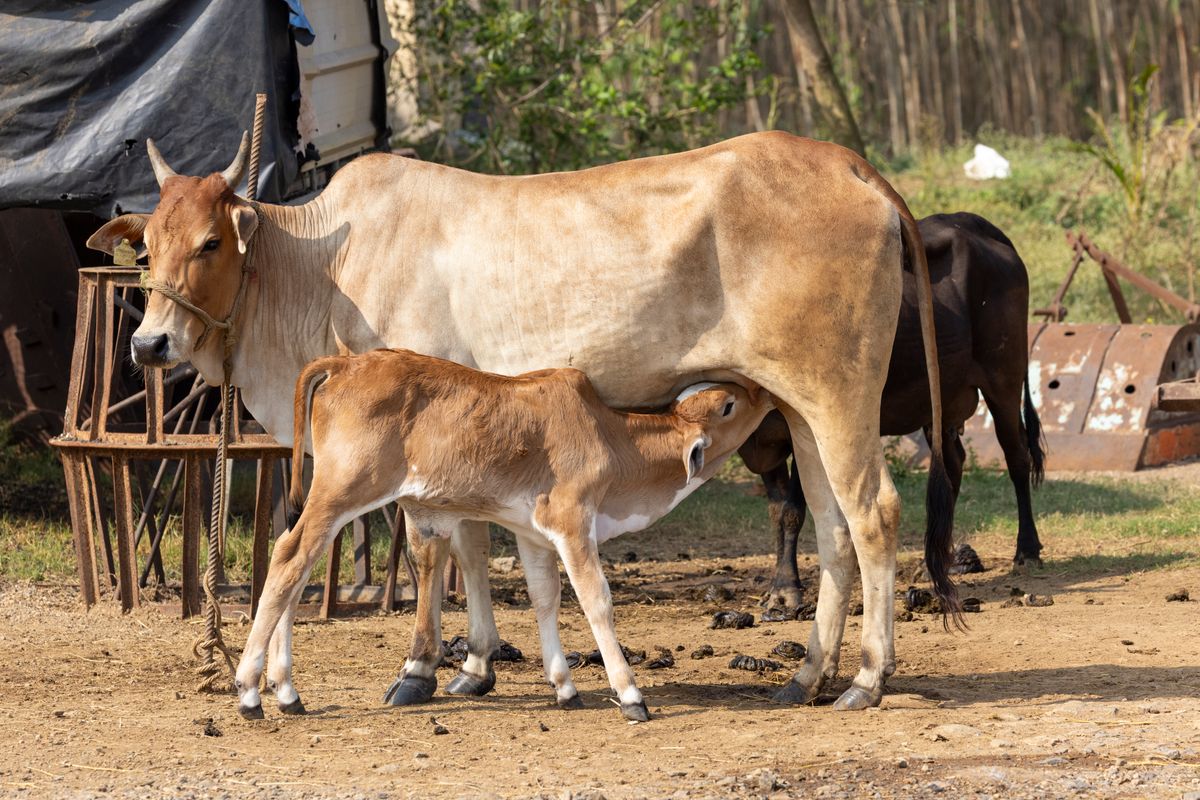
Heifers that worked out how to press a panel to open a gate showed rising heart rates and livelier movement than controls, a response researchers read as excitement at solving the task.

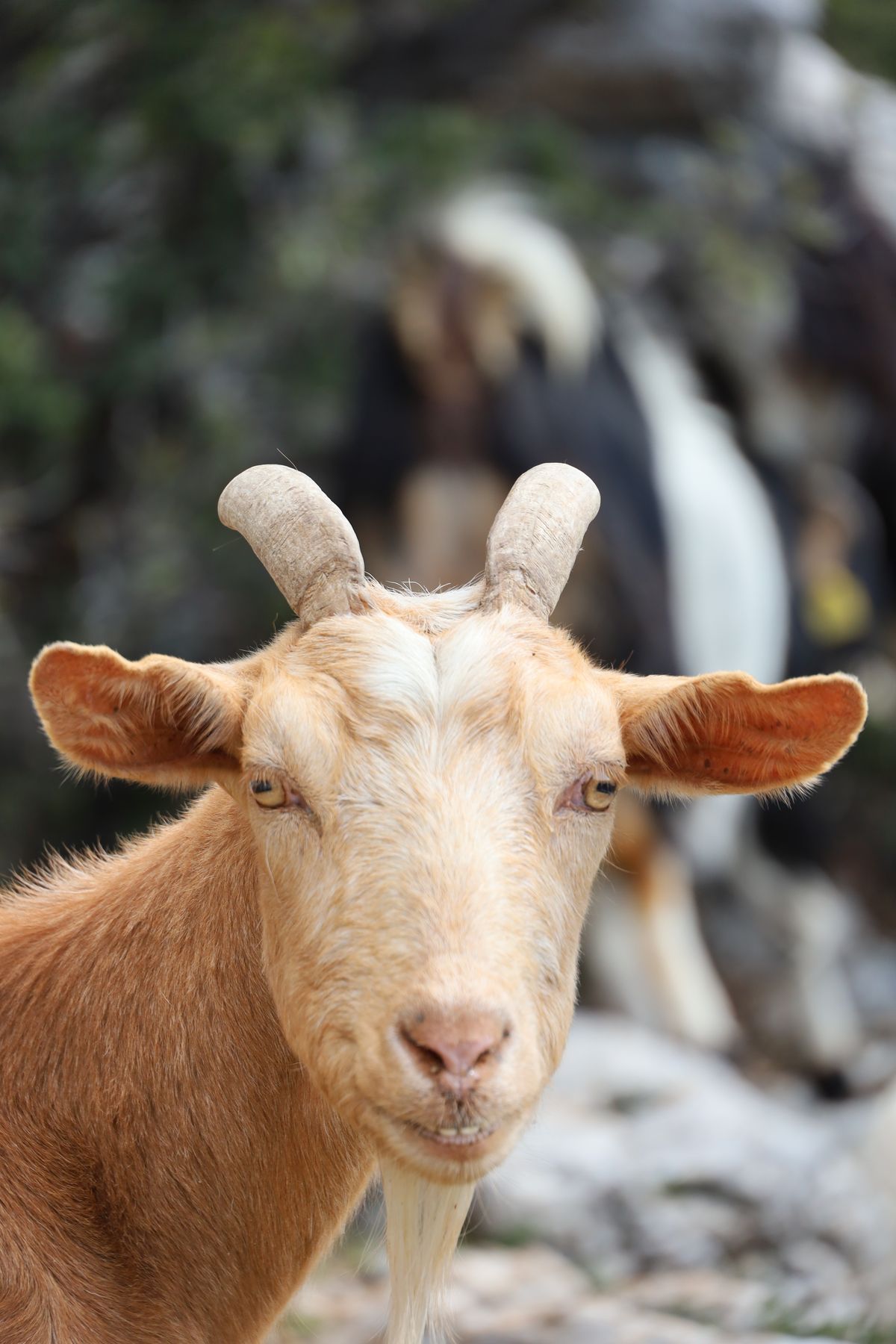
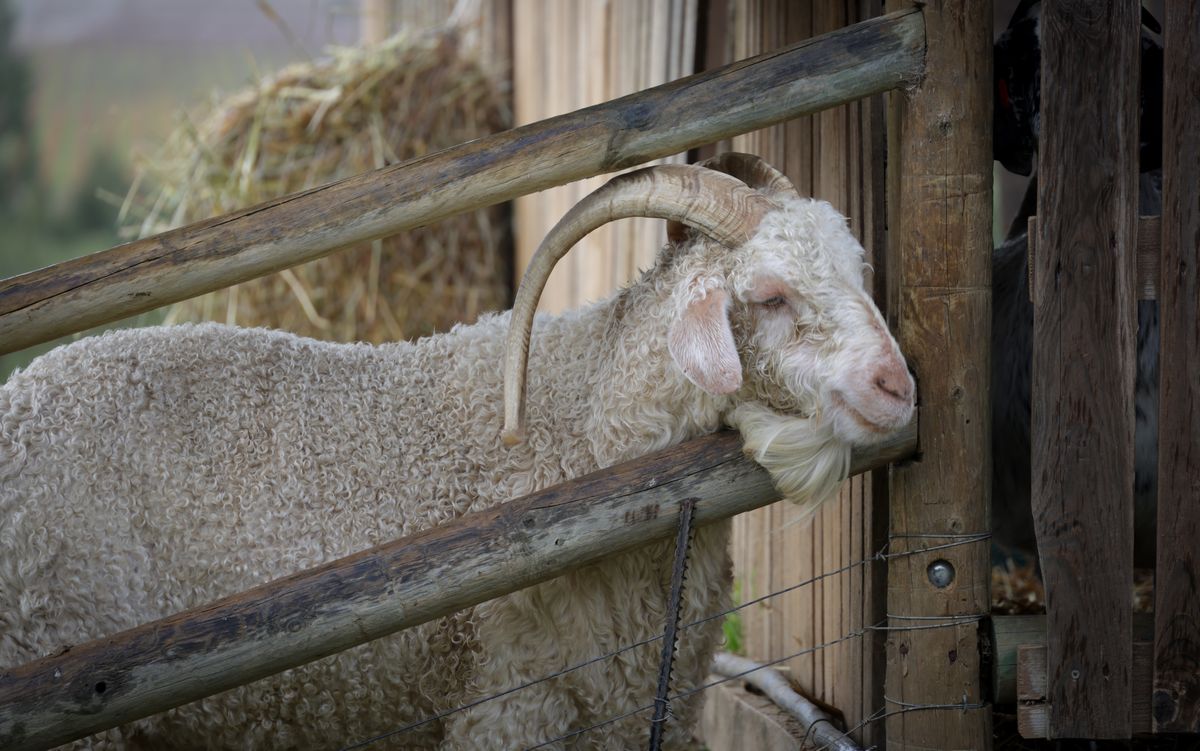
GoatsMemory

Goats mastered a two-step puzzle box and still solved it ten months later. When a task becomes impossible, they turn to look at a nearby human, much as dogs do.

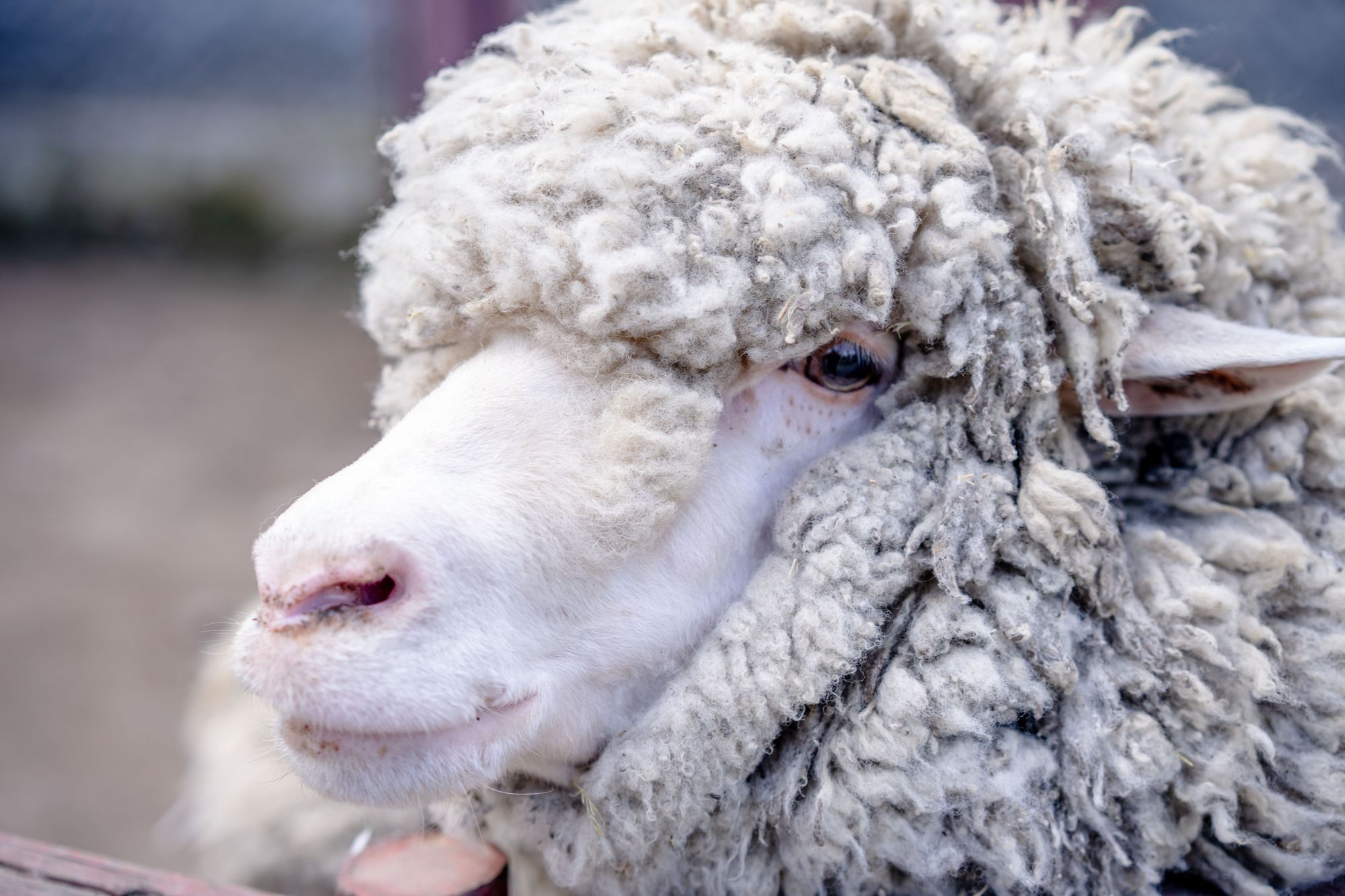
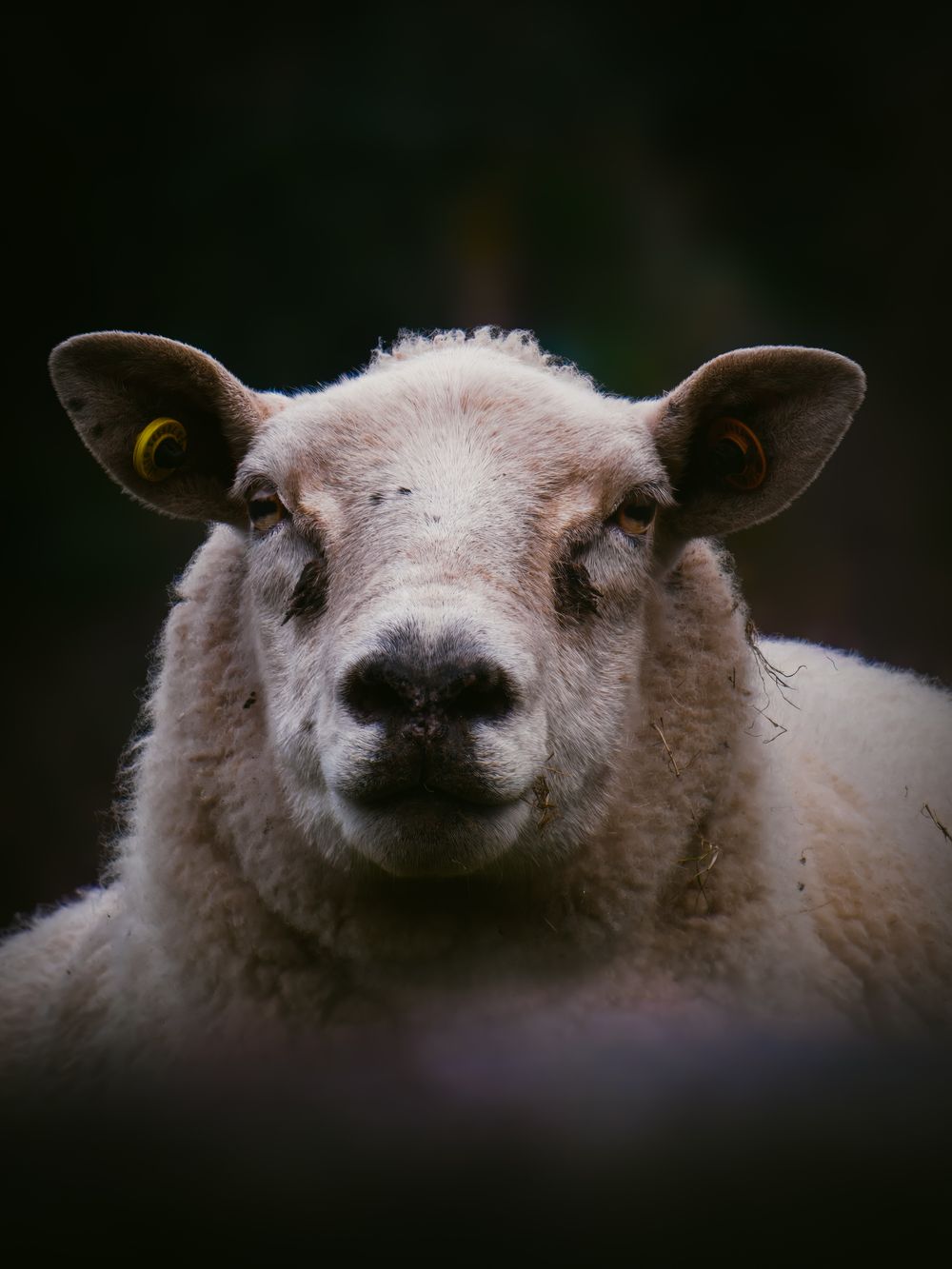
SheepFaces

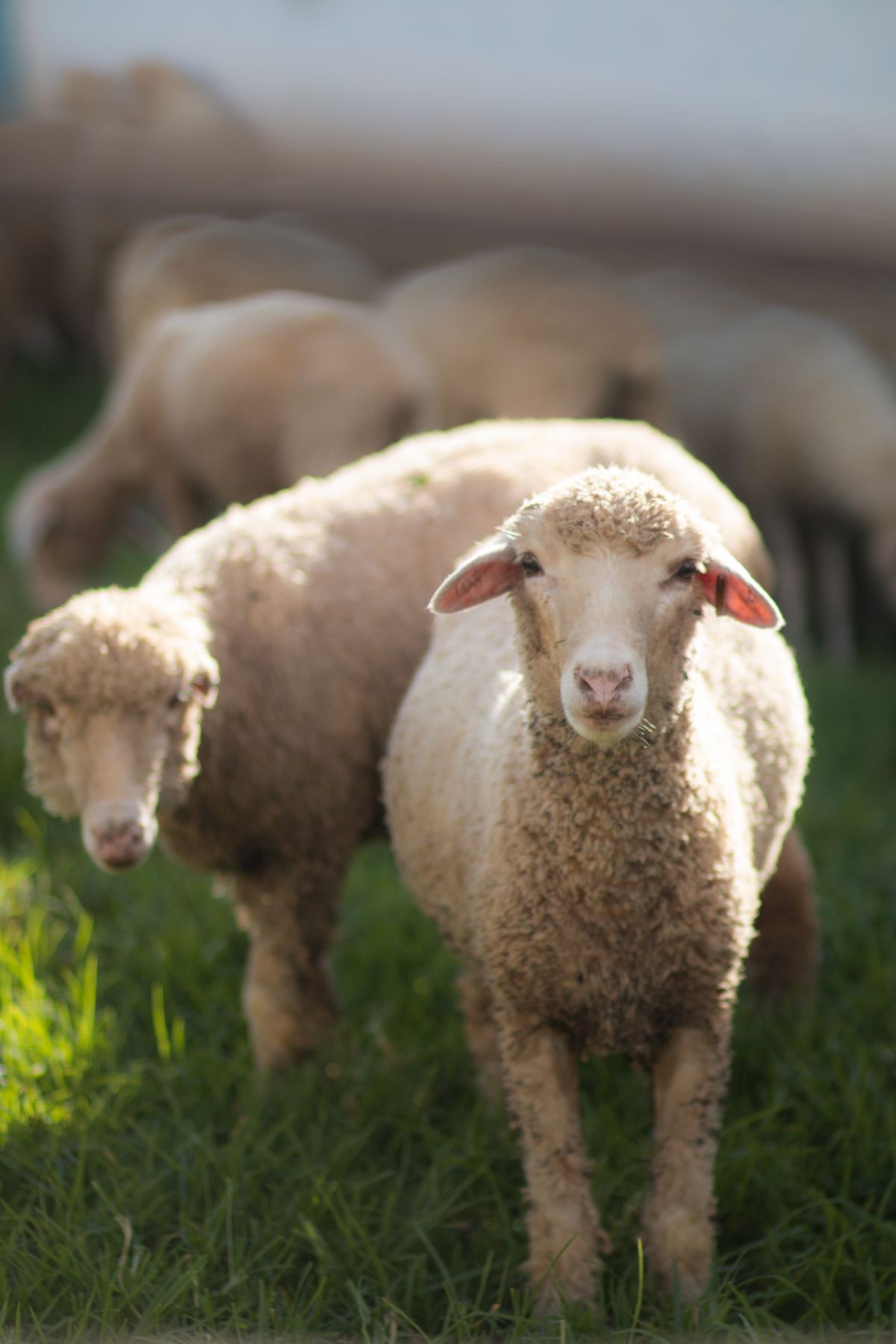
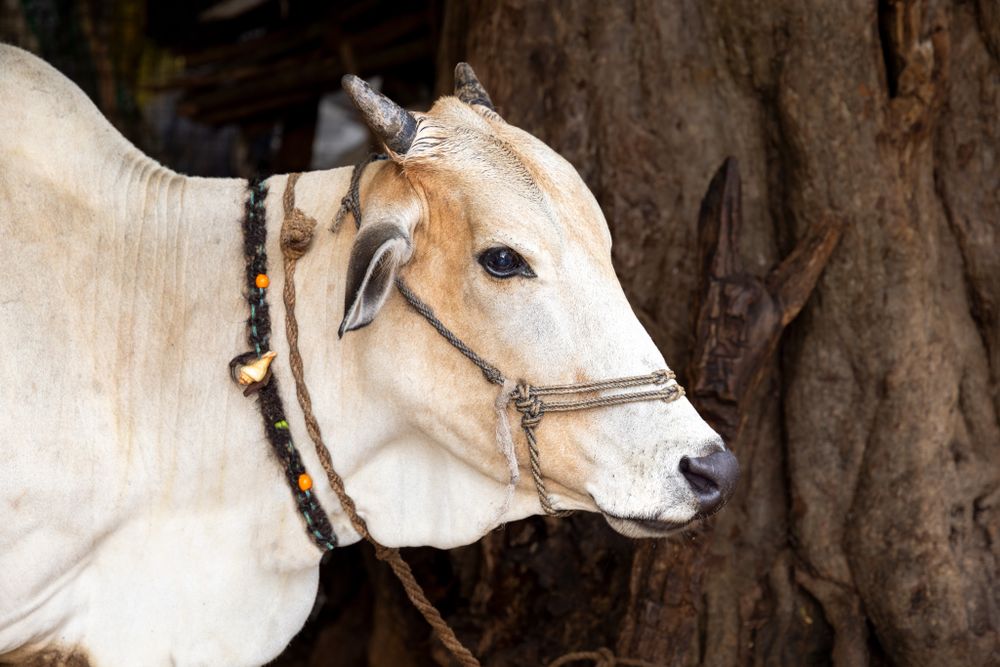
Sheep can learn the faces of about fifty other sheep and remember them for up to two years. They can also pick out familiar human faces from photographs.

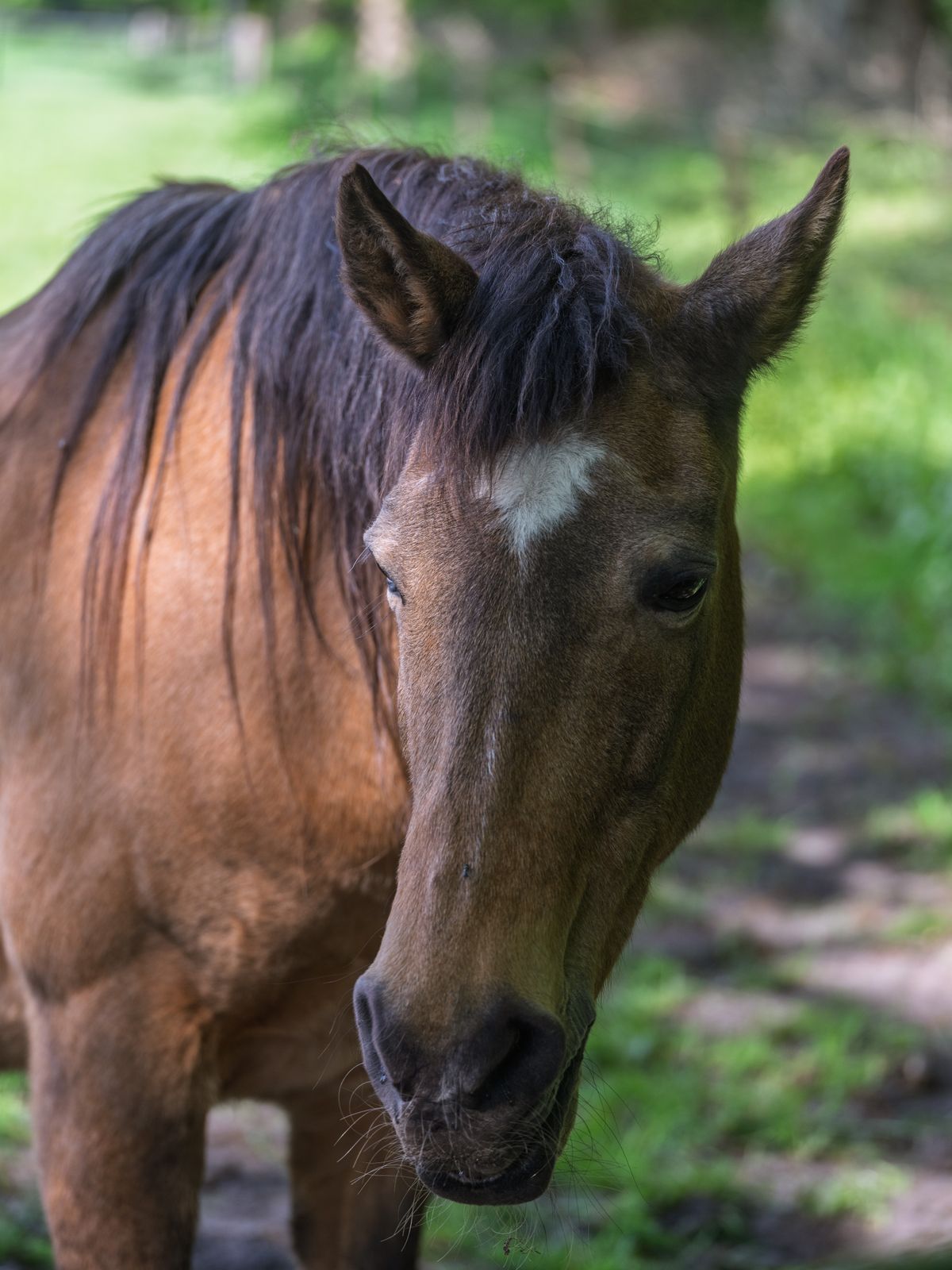
HorsesReading us

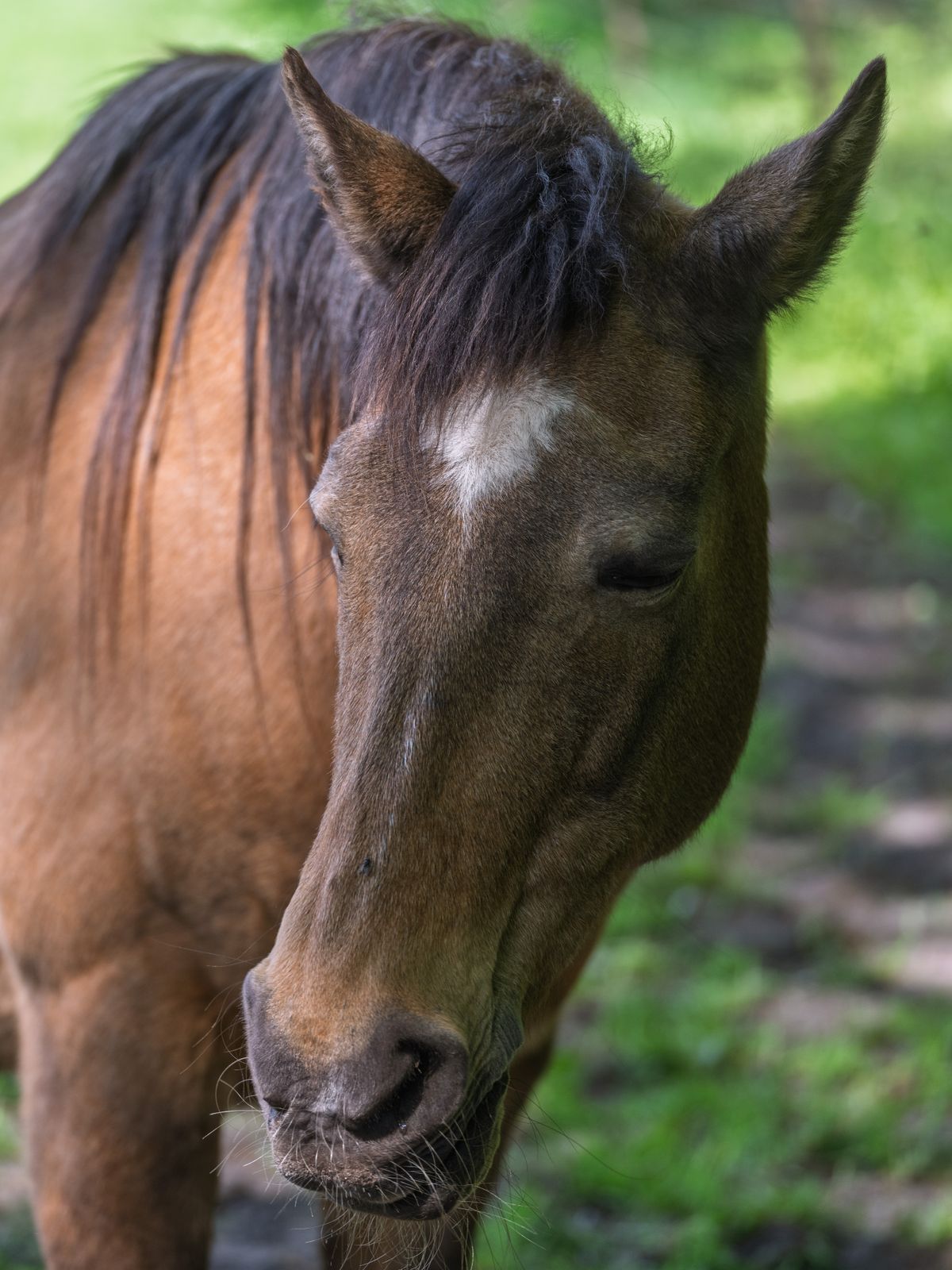
Shown photographs of angry human faces, horses' heart rates rose and they looked with the left eye, the side linked to processing threats. Happy faces drew no such reaction.

What they feel, and how we can tell

Sources
PlayPositive welfare

Calves, lambs and kids play more when well fed and unstressed, and play drops when conditions worsen. Researchers treat it as a sign an animal is doing well, not just surviving.

OptimismJudgement bias

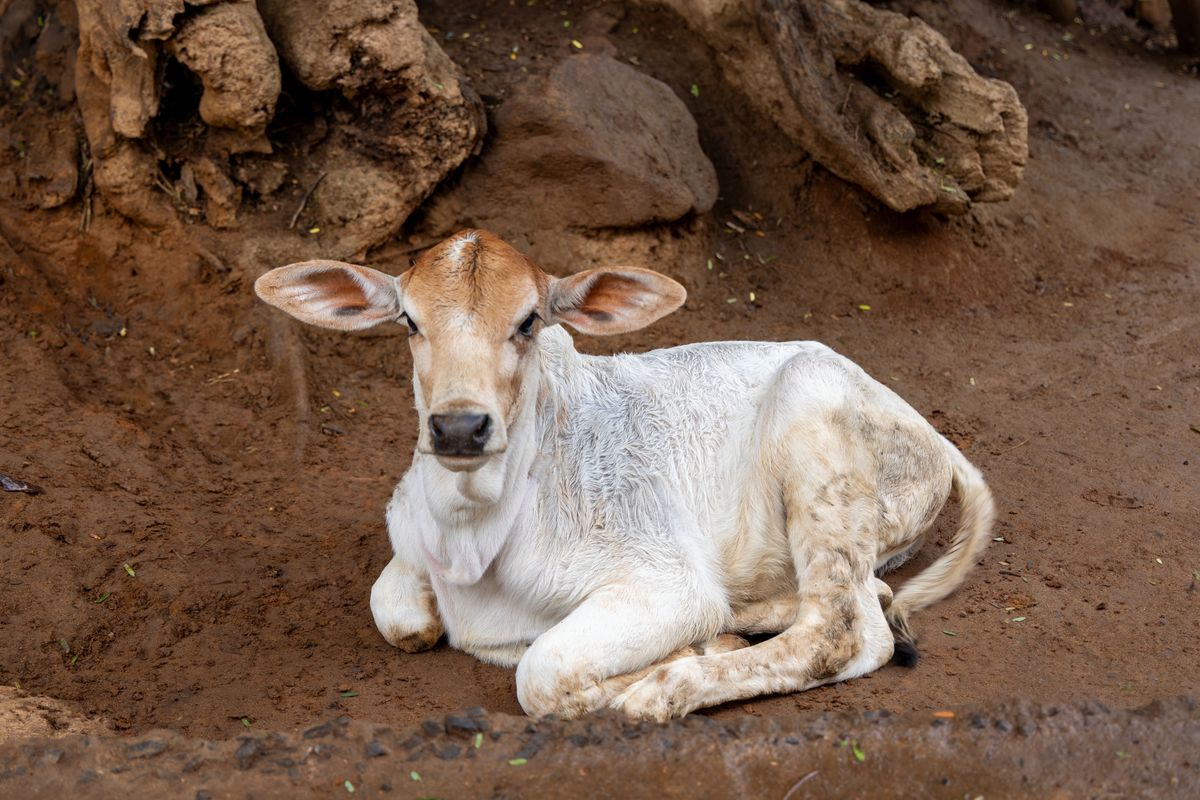
Like people, animals in a poor state read ambiguous cues pessimistically. Calves tested after hot-iron disbudding were less likely to approach an uncertain cue, a measurable sign of a negative mood.

CompanySocial bonds

Isolated sheep show stress in behaviour, hormones and brain activity, and pictures of sheep faces alone reduce it. Horses groomed at the withers, where they groom each other, show lowered heart rates.

Ear talkBody language

Cows' ears hint at mood: gently stroked, they settle their ears into more relaxed positions. Goats, for their part, prefer looking at photographs of smiling human faces over angry ones.

Things science did not expect

Who would
you underestimate?

Which of these animals can remember fifty faces for two years? Which one shows signs of excitement when it works out how to open a gate? Take the two-minute quiz and find out how much you already knew.

Take the quiz

Where this comes from

Every claim on this page is drawn from peer-reviewed research in animal cognition and welfare science. Where the evidence is limited or debated, we say so.

In 2014 the Supreme Court of India read the right to life in Article 21 to cover animals too, holding that they are entitled to live with intrinsic worth, honour and dignity. The same judgment brought the five freedoms into Indian law, alongside the duty of compassion for living creatures in Article 51A(g).

Read the sources