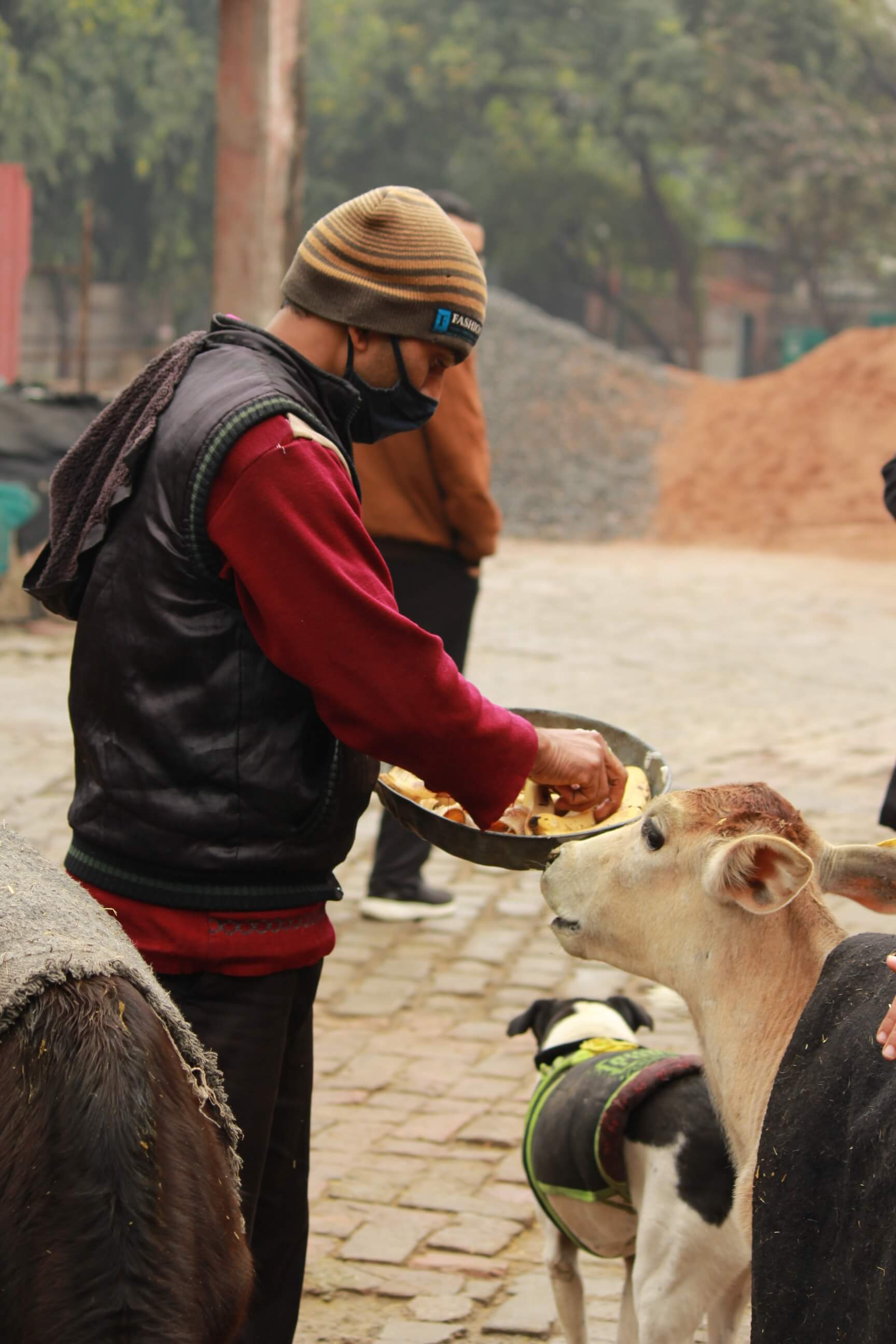
In the field · nine Zones
Zonal Head
- WhereBased in the assigned PFA Zone; extensive travel across its States and districts
- TermTwo years, renewable
- Pay₹35,000 per month, plus travel
- Reports toThe Chairperson / Principal Organisation
- Best fitAn active working member of a recognised PFA Unit in the Zone, with animal welfare, rescue, NGO, social work or organising experience
About the role
People For Animals is India's largest animal welfare organisation, working through a nationwide network of independently registered Units: rescue, shelter and adoption, animal birth control and anti-rabies programmes, cruelty complaints and prosecution, enforcement of animal protection laws, and engagement with government on policy.
The Zonal Head is PFA's designated coordinator for all recognised and proposed Units within the assigned Zone. It is a field-based, enforcement- and movement-building role: growing PFA's presence across the Zone, building and mentoring local leadership and volunteers, ensuring an effective animal welfare and enforcement response on the ground, and coordinating with police, veterinary and civic authorities. Each Unit remains independently registered and self-governing; the Zonal Head coordinates and supports them and carries directions from the Principal Organisation.
The nine Zones
- North North: Ladakh, Jammu & Kashmir
- North: Himachal Pradesh, Punjab, Haryana, Chandigarh
- Central 1: Uttar Pradesh
- Central 2: Madhya Pradesh, Chhattisgarh
- East: Bihar, Jharkhand, West Bengal, Odisha
- North East: Assam, Arunachal Pradesh, Meghalaya, Manipur, Mizoram, Nagaland, Tripura, Sikkim
- West: Gujarat, Rajasthan, Maharashtra, Goa, Daman and Diu
- South: Andhra Pradesh, Telangana
- South South: Kerala, Tamil Nadu, Karnataka
Network and leadership
Map the Zone State-wise and district-wise, identify gaps in PFA presence, support new and existing Units, and identify, recommend and mentor local leadership for District and State Units. Build a pipeline of active workers so that no district is left without a first responder. Make PFA Units in each district.
Coordination
Coordinate with State Coordinators and District Heads, convene review meetings, resolve inter-Unit disputes, and ensure directions from the Principal Organisation are carried out.
Animal welfare and enforcement response
Prompt, documented action on cruelty, abandonment, injury and neglect complaints:
- Guide Units in registering complaints and FIRs and in invoking the strongest available provisions.
- Secure custody of rescued or seized animals as case property under the PCA (Care and Maintenance of Case Property Animals) Rules, 2017, and ensure their care pending trial.
- Maintain evidentiary discipline: dated photographs and video, witness details, veterinary certificates and a clear chain of custody, so cases survive prosecution rather than collapsing at the complaint stage.
- Liaise with SHOs, prosecutors, veterinary officers and Honorary Animal Welfare Officers to see cases through to chargesheet and conviction, and track outcomes.
Scope of issues (illustrative, not exhaustive)
- Companion and street animals: cruelty to dogs and cats including poisoning and illegal killing, feeding disputes with RWAs and authorities, unlawful relocation of community animals, gaps in ABC programmes.
- Cattle and large animals: abandoned cattle, gaushala conditions, illegal and cruel transport, unlicensed and cruel slaughter, disease-driven distress.
- Working animals: equines at brick kilns, tourism sites, weddings and construction; bullocks and draught animals; camels; unfit-to-work animals; lack of water, shade or farriery.
- Farmed animals: battery cages, live-bird markets, piggeries, cruel handling in transport and markets.
- Aquatic animals: live fish and seafood transport and market handling; the ornamental fish trade.
- Wildlife and trade: poaching, snaring and trapping, illegal bird and exotic-pet trade (including CITES-listed species), monkey and parakeet capture, and rescues where people and wildlife share space.
- Captive and performing animals: captive elephants and temple animals, circuses and unregistered performing animals, roadside menageries, animal-drawn-vehicle abuse.
- Blood sports and rituals: cockfighting, dog and other animal fighting, bull-taming events, bullock-cart racing, cruelty in religious sacrifice.
- Seasonal hazards: glass-coated kite string (manja) injuries to birds, festival firecracker distress, heat-wave, cold-wave and monsoon response.
- Establishments: pet shops (Pet Shop Rules, 2018), dog breeders (Dog Breeding and Marketing Rules, 2017), livestock markets: registration, inspection and closure of illegal operators.
- Trauma and access to care: road-accident and roadkill response, and access to first aid, ambulances and veterinary treatment.
Movement building and community mobilisation
Expand the Rapid Response Team app district-wise and drive ABC (per the Animal Birth Control Rules, 2023), anti-rabies vaccination, native and community-dog adoption, sterilisation and vaccination camps, "Be Kind to Animals" outreach and other PFA programmes against measurable district-wise targets.
- Recruit, train and retain a volunteer and first-responder base in every district; recognise local heroes to sustain morale.
- Build Animal Welfare Societies on college and school campuses, kept engaged through structured humane-education activities.
- Support and protect community feeders and caregivers, and mediate neighbourhood conflicts.
- Build local coalitions with sympathetic veterinarians, lawyers, police officers, RWAs, other NGOs and the media, so PFA's reach outlasts any single individual.
- Use local and social media to document work, run awareness campaigns, and grow a local supporter and donor base for Unit sustainability.
Disaster and disease response
Ensure Units are prepared to protect animals in floods, fires and other disasters (evacuation, feed, water, temporary shelter, veterinary aid), and to respond to disease outbreaks such as Lumpy Skin Disease and other notified diseases under the Prevention and Control of Infectious and Contagious Diseases in Animals Act, 2009, coordinating with district administration and veterinary authorities.
Institution building
- Drive the nomination, appointment and coordination of Honorary Animal Welfare Officers across the Zone as a standing enforcement resource.
- Follow up with authorities on the constitution and functioning of SPCAs in the districts and State Animal Welfare Boards in the States of the Zone.
- Push for functional infrastructure (ambulances, helplines, shelters, treatment facilities) and tie-ups with veterinary colleges and hospitals.
Training and reporting
Ensure Units and volunteers are trained in animal welfare law, rescue and handling, evidence and PFA protocols; maintain a Zone-wide register of Units, office bearers and HAWOs; and submit a consolidated quarterly Zone Report against targets, with case and outcome data.
Eligibility
- Preferably an active working member of a recognised PFA Unit within the Zone.
- Experience in animal welfare, rescue, NGO management, social work or community organising.
- Strong organisational, people and communication skills; willingness to travel extensively and respond at short notice.
- Working knowledge of animal welfare law, enforcement mechanisms and government structures is a strong advantage.
Accountability
The Zonal Head reports to the Chairperson / Principal Organisation and is assessed on network growth, animal welfare and enforcement response, programme delivery, government coordination, movement building, training, compliance and reporting. The Zonal Head must act in the interests of PFA, maintain confidentiality, disclose conflicts of interest, and not use the position for personal, political or commercial gain.